
Why One Strong Piece Beats a Fully Furnished Living Room
A living room can be fully furnished and still feel unresolved.
Not unfinished — but visually unclear.
This is one of the most common issues in modern interiors: every piece is “nice,” every choice seems correct, yet the space lacks presence. Nothing anchors the room. Nothing leads the eye. Nothing feels intentional.
Luxury does not come from quantity.
It comes from hierarchy.
The Problem With Balanced, But Weak Rooms
Many living rooms fail not because of bad furniture, but because everything carries the same visual weight. When all elements compete equally — sofa, coffee table, chairs, rug, accessories — the room loses direction.
Instead of calm, you get noise.
Instead of confidence, you get hesitation.
Luxury interiors always answer one quiet question:
What is the room built around?
One Anchor Changes the Entire Space
A strong living room is rarely built piece by piece.
It is built around one defining element.
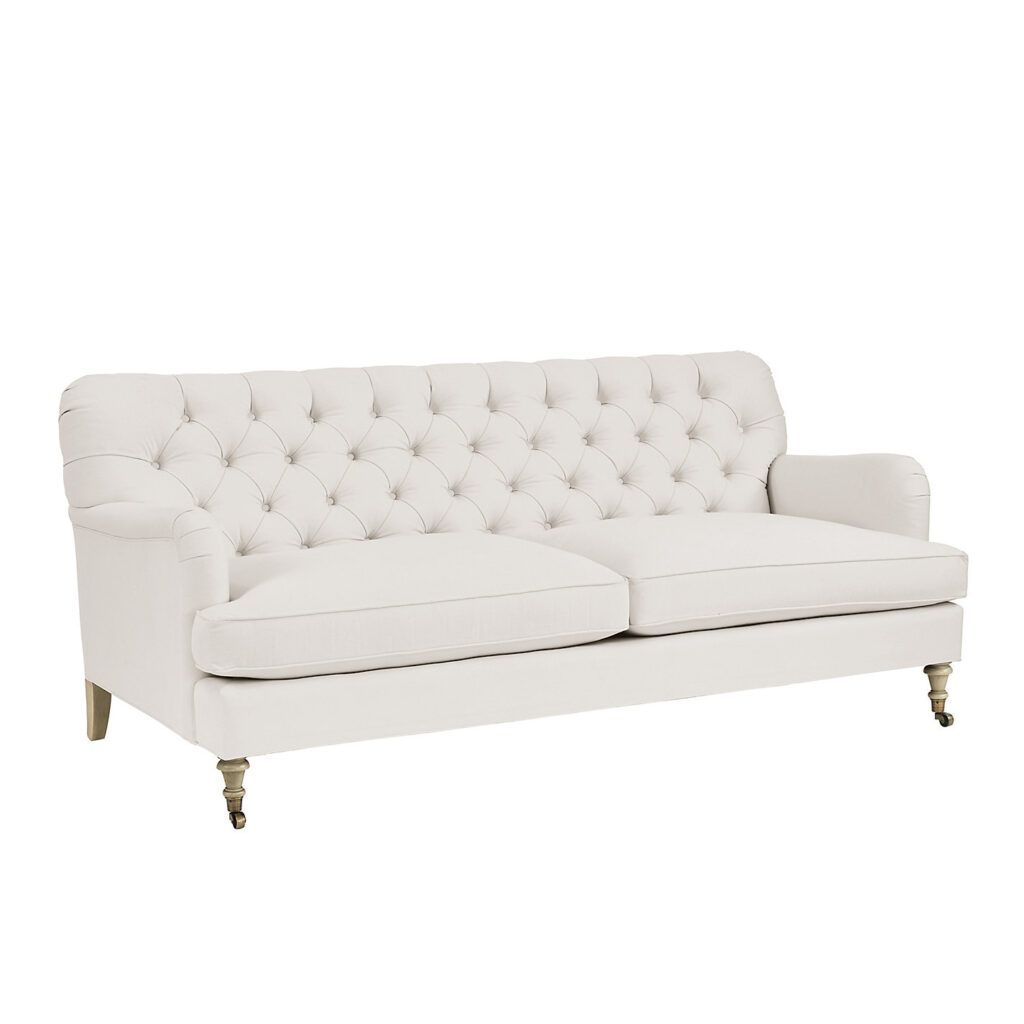
A well-proportioned upholstered sofa like the Maggie Upholstered Sofa demonstrates how visual weight and structure can quietly anchor an entire living room.
This anchor can be:
- a sculptural sofa with clear mass
- a coffee table with architectural presence
- a rug that grounds the entire layout
- a statement chair that introduces tension and contrast
Everything else becomes supportive — not decorative.
This is why rooms with fewer pieces often feel more expensive. They are structured, not filled.
Visual Weight Over Visual Interest
Luxury pieces do not rely on ornament.
They rely on weight, proportion, and restraint.
A strong anchor piece does not shout.
It holds the room quietly.
When selecting your primary element, look for:
- generous scale that fits the room, not the catalog
- solid materials with tactile presence
- simple geometry that can carry visual responsibility
This is where quality matters — not as a label, but as a physical reality.
👉 This is where a well-proportioned sofa or a substantial coffee table naturally earns its role as the room’s center of gravity.
(Affiliate placement: primary anchor piece)
Supporting Pieces Should Step Back
Once the anchor is set, every other piece has a clear job:
- reinforce balance
- maintain visual breathing room
- never compete
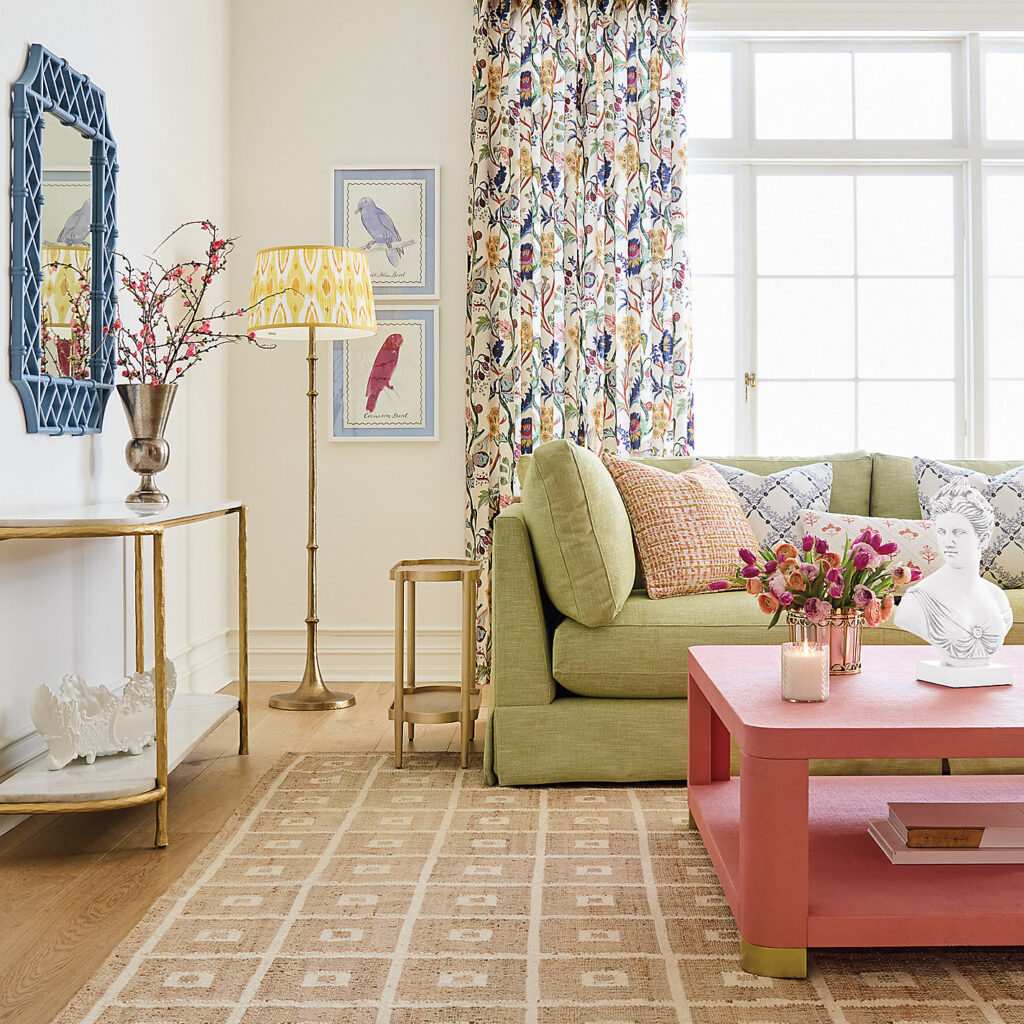
Supporting pieces, such as the Shea Console Table, reinforce balance without competing for attention.
Accent chairs become quieter.
Side tables become functional, not expressive.
Decor becomes minimal, intentional, and often unnecessary.
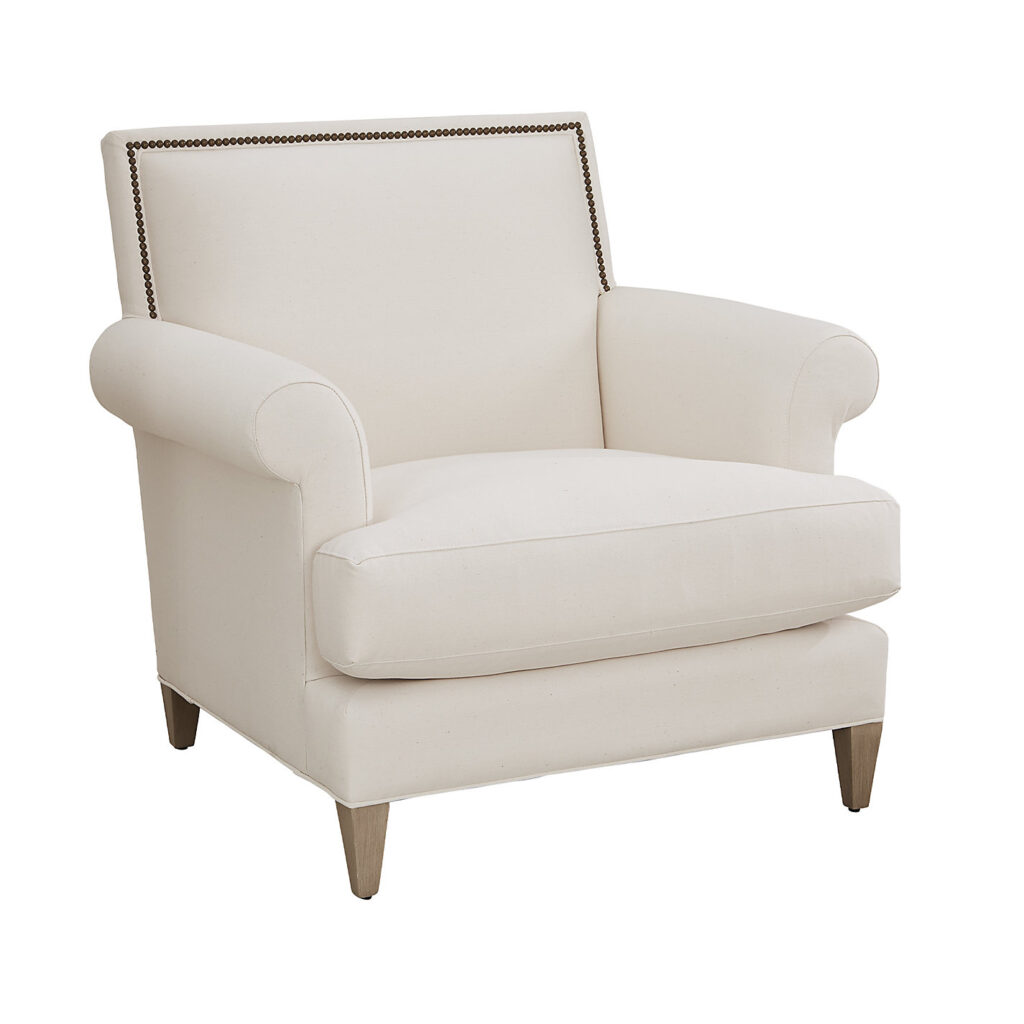
A restrained armchair like the Juliana Upholstered Armchair can balance the seating area without shifting focus away from the anchor piece.
👉 A restrained rug or a secondary seating element works best when it supports, not defines, the room.
(Affiliate placement: rug or accent chair)
When Fewer Pieces Feel More Complete
A fully furnished living room often feels “done.”
A well-designed living room feels resolved.
Resolution comes from clarity:
- one dominant decision
- fewer visual negotiations
- space left intentionally empty
Luxury lives in that emptiness.
👉 This is why high-quality, low-quantity layouts consistently outperform layered, over-styled ones — both visually and emotionally.
(Optional affiliate placement: lighting or secondary table)
The Quiet Confidence of One Decision
Choosing one strong piece is not about minimalism.
It is about leadership within the space.
When the room knows what it is built around, everything else aligns naturally. The result is not a showroom — it is a living environment with calm authority.
Luxury is not created by adding more.
It is created by deciding better.